

Recovering from hernia surgery is a gradual process that varies from person to person. For patients in New Zealand’s largest city, understanding what lies ahead can make the healing journey smoother and less stressful. This Recovery Guide After Hernia Surgery Auckland Patients Can Expect outlines the typical stages of recovery, practical care tips, and what signs to watch for during healing.
Understanding Hernia Surgery Recovery
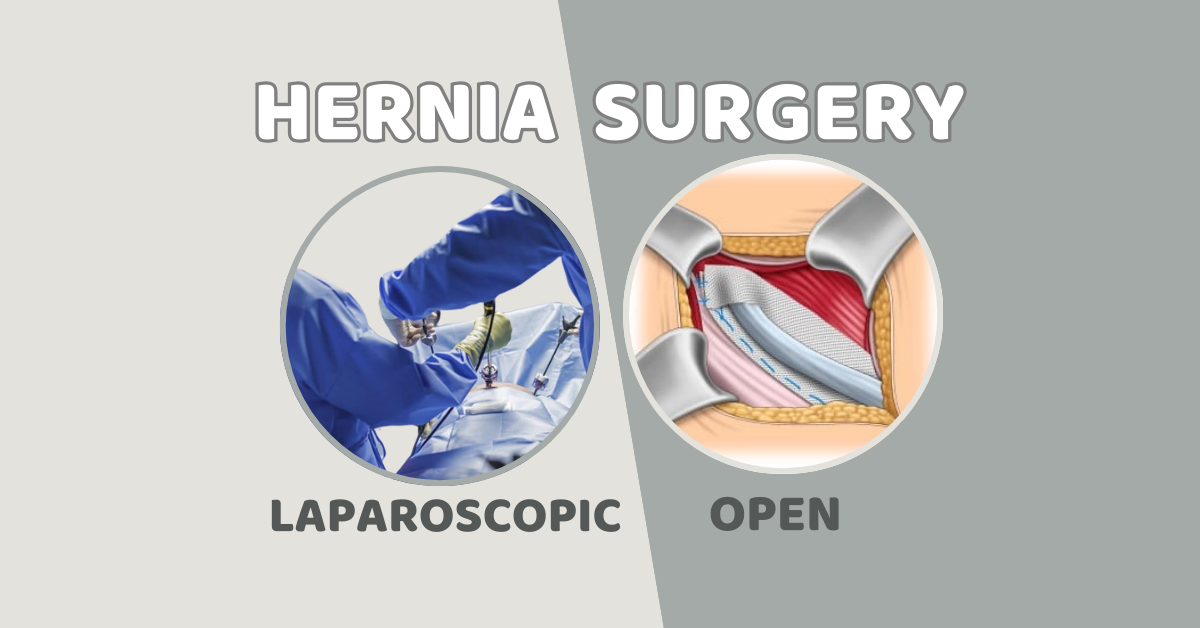
Hernia repair surgery is commonly performed to correct a weakness in the abdominal wall. Whether done through open surgery or minimally invasive (laparoscopic) techniques, the body needs time to heal properly.
Most patients experience some discomfort, swelling, or bruising in the first few days. This is a normal part of the healing process and usually improves steadily with rest, pain management, and gradual movement.
The Recovery Guide After Hernia Surgery Auckland Patients Can Expect helps patients prepare mentally and physically for what comes after the procedure, reducing anxiety and supporting better outcomes.
Immediate Post-Surgery Phase (First 24–72 Hours)
What Patients Commonly Experience
- Mild to moderate pain around the incision site
- Fatigue and reduced energy levels
- Tightness or pulling sensation in the abdomen
- Temporary difficulty moving comfortably
During this stage, rest is essential. Patients are usually encouraged to start walking short distances as soon as possible to support circulation and reduce the risk of complications.
Pain relief medication is often prescribed, and it should be taken as directed by the healthcare provider.
First Two Weeks of Recovery
Gradual Return to Daily Activity
In this phase, patients begin to feel more mobile and independent. However, heavy lifting, intense exercise, and strenuous activity should still be avoided.
Key recovery tips include:
- Walking daily to improve blood flow
- Keeping the incision area clean and dry
- Eating fibre-rich foods to avoid constipation
- Avoiding strain when coughing or using the bathroom
The Recovery Guide After Hernia Surgery Auckland Patients Can Expect emphasizes patience during this stage, as overexertion can slow healing or increase the risk of recurrence.
Weeks 3 to 6: Building Strength
Returning to Normal Routine
Most patients start resuming light work and everyday tasks during this period, depending on the type of surgery and individual healing progress.
Activities such as driving, desk work, and gentle household tasks are often safe again, but lifting heavy objects is still restricted.
If discomfort persists or increases, it is important to seek medical advice rather than pushing through pain.
Full Recovery and Long-Term Care
What to Expect After Six Weeks
By this stage, many patients feel close to their normal selves. The surgical site continues to strengthen internally for several months, even if external healing appears complete.
Doctors may advise a gradual return to full physical activity, including exercise and sports, based on individual progress.
Following the Recovery Guide After Hernia Surgery Auckland Patients Can Expect can help ensure long-term success and reduce the likelihood of recurrence.
When to Contact a Doctor
Patients should seek medical attention if they notice:
- Increasing pain or swelling
- Fever or signs of infection
- Redness or discharge from the wound
- Difficulty passing urine or stools
- A new bulge near the surgical site
Early intervention helps prevent complications and ensures proper healing.
Final Thoughts
Recovery from hernia surgery is a step-by-step process that requires patience, self-care, and awareness of your body’s signals. While timelines may vary, most patients steadily improve over several weeks with the right support and guidance.
This Recovery Guide After Hernia Surgery Auckland Patients Can Expect is intended to help patients feel more informed and confident as they move through each stage of healing and return to normal life.
