

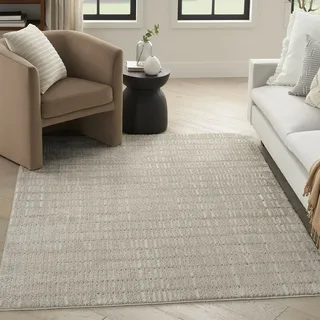
Textured rugs use varying pile heights, materials, and weaving techniques to add warmth, acoustic dampening, and visual depth to modern homes. Choose wool or jute for durability, and match the pile height to your room’s foot traffic. Always buy from reputable sellers to ensure quality craftsmanship.
A bare floor leaves a room feeling cold and unfinished. A textured rug changes the entire dynamic of a living space. It grounds your furniture, absorbs excess noise, and brings immediate warmth to stark, modern architecture.
People often focus solely on color or pattern when they shop for floor coverings. Texture plays an equally crucial role. The tactile feel of a rug underfoot provides comfort, while the interplay of light and shadow across its surface gives your room visual depth.
This guide walks you through the specifics of selecting the right textured rug. You will learn about different materials, how to pair rugs with modern decor, and practical tips for maintenance.
What makes a rug textured?
Textured rugs go beyond a flat, uniform surface. Manufacturers create texture using varying pile heights, mixing different materials, or applying specific weaving techniques.
What are the different types of textured rugs?
- Shag rugs: These feature a long, loose pile that feels incredibly soft. Choose a shag rug if you want maximum comfort in low-traffic areas like bedrooms.
- Looped rugs: Weavers leave the yarn loops intact rather than cutting them. This creates a dense, durable surface ideal for high-traffic zones like hallways.
- Cut-pile rugs: Weavers cut the loops to expose the ends of the yarn. This produces a softer feel than looped rugs but maintains good durability.
- Natural fiber rugs: Materials like jute or sisal offer a coarse, organic texture. These work exceptionally well in earthy or minimalist design schemes.
Why should you choose a textured rug for your home?
Adding a textured rug provides several tangible benefits to your living space.
- Enhanced comfort and coziness: A rug with a thick pile provides a soft landing spot. This makes living rooms and bedrooms significantly more comfortable for your family.
- Visual interest and depth: Minimalist rooms benefit greatly from texture. A textured rug breaks up flat surfaces and straight lines without requiring loud colors or busy patterns.
- Acoustic benefits: Hardwood floors reflect sound, causing echoes. Textured rugs absorb sound waves, reducing ambient noise in large open-concept spaces.
- Durability and practicality: Highly textured rugs, especially looped designs, hide dirt and footprints better than flat, solid-colored alternatives.
How do you integrate textured rugs into modern home decor?
Modern and contemporary designs heavily rely on sleek lines, polished metals, and smooth glass. While visually striking, these elements can make a room feel clinical. A textured rug introduces necessary friction and warmth.
When styling a modern room, use a neutral-colored textured rug to add subtle complexity. A cream-colored Moroccan shag rug or a chunky wool weave softens the sharp edges of a minimalist coffee table. The texture acts as a focal point without overwhelming the room’s clean aesthetic.
How can you create a cozy atmosphere with textured rugs?
Texture instantly signals comfort. To maximize this effect, pair your textured rug with complementary soft furnishings. Add linen throw pillows, heavy cotton drapes, and woven blankets to the room.
Lighting also plays a vital role. Position floor lamps or warm-toned LED strips so the light washes across the rug. This highlights the varying pile heights and casts gentle shadows, amplifying the cozy feel.
Natural fibers like wool and cotton naturally regulate temperature. They feel warm in the winter and cool in the summer, making your home physically more comfortable year-round.
What are the key considerations when choosing a textured rug?
- Material: Wool offers the best balance of softness and durability. Cotton is easy to wash but wears out faster. Jute brings an organic feel but feels rougher underfoot. Synthetic blends provide stain resistance at a lower price point.
- Pile height and density: High pile suits bedrooms and cozy reading nooks. Low, dense pile belongs in dining rooms and entryways where foot traffic is heavy.
- Color and pattern: Let the texture do the talking. If your rug features complex high-low weaving, stick to solid colors or muted, tonal patterns to avoid visual clutter.
- Size and placement: A rug should ground your furniture. In a living room, ensure the front legs of your sofa and chairs rest on the rug.
Where is the best place to buy textured rugs?
Finding the right rug requires knowing where to look. When you Buy Rugs Online, you gain access to a massive inventory and competitive pricing. Look for online retailers that offer detailed macro photos of the rug’s pile, clear material breakdowns, and favorable return policies.
For those looking to Buy Textured Rugs, balancing quality and price is essential. While synthetic options exist, handmade rugs offer superior longevity and authentic texture.
If you want to Buy Textured Rugs in India, local craftsmanship provides unmatched quality. The Ambiente stands out as a premium handmade rug store based in Delhi. Founded by Avani Khandelwal and Ayush Baranwal, The Ambiente operates a flagship store in Sultanpur and leverages over 30 years of expertise from its parent company, Bhadohi Carpets.
The Ambiente blends traditional Bhadohi craftsmanship with modern design sensibilities. They have served over 5,000 clients globally. Crucially, they empower local artisans by working with over 4,000 women weavers, providing sustainable livelihoods. Choosing a rug from The Ambiente means investing in authentic craftsmanship and ethical labor practices.
How do you maintain and clean a textured rug?
- General cleaning: Vacuum your rug weekly. Use a suction-only setting for high-pile or looped rugs, as a rotating beater bar can snag the fibers and ruin the texture.
- Dealing with spills and stains: Act immediately. Blot the spill with a clean, dry cloth. Never rub a textured rug. Rubbing pushes the stain deeper into the woven fibers and distorts the pile. Use a mild detergent mixed with water for spot cleaning.
- Professional cleaning recommendations: Schedule a professional cleaning every 12 to 18 months. Professionals possess the equipment needed to extract dirt trapped deep within the dense pile without damaging the natural fibers.
Does a textured rug leave a lasting impact on your home?
A well-chosen textured rug fundamentally improves your living space. It dampens noise, warms up cold floors, and introduces a layer of tactile comfort that flat surfaces simply cannot provide. By understanding pile heights, materials, and placement, you can confidently select a rug that meets your practical needs and aesthetic goals.
When visiting a local showroom or choosing to Buy Rugs Online, prioritize quality materials and ethical craftsmanship. A handmade rug from a trusted store like The Ambiente will serve your home for decades, proving that the right texture is a sound investment.
Frequently Asked Questions (FAQ)
How much do textured rugs typically cost?
The price of a textured rug depends on the material and manufacturing method. Machine-made synthetic rugs start around $100, while hand-knotted wool or silk rugs from reputable brands can cost anywhere from $500 to several thousand dollars.
Are textured rugs safe for pets and children?
Yes, but material matters. Choose low-pile wool or synthetic blends for homes with kids and pets. These materials resist stains and are easier to clean. Avoid loose shag rugs, as pets can snag their claws in the loops.
Can you place heavy furniture on top of a high-pile textured rug?
You can place furniture on high-pile rugs, but heavy pieces will leave indentations in the fibers over time. Use furniture coasters to distribute the weight and rotate the rug every six months to ensure even wear.
