

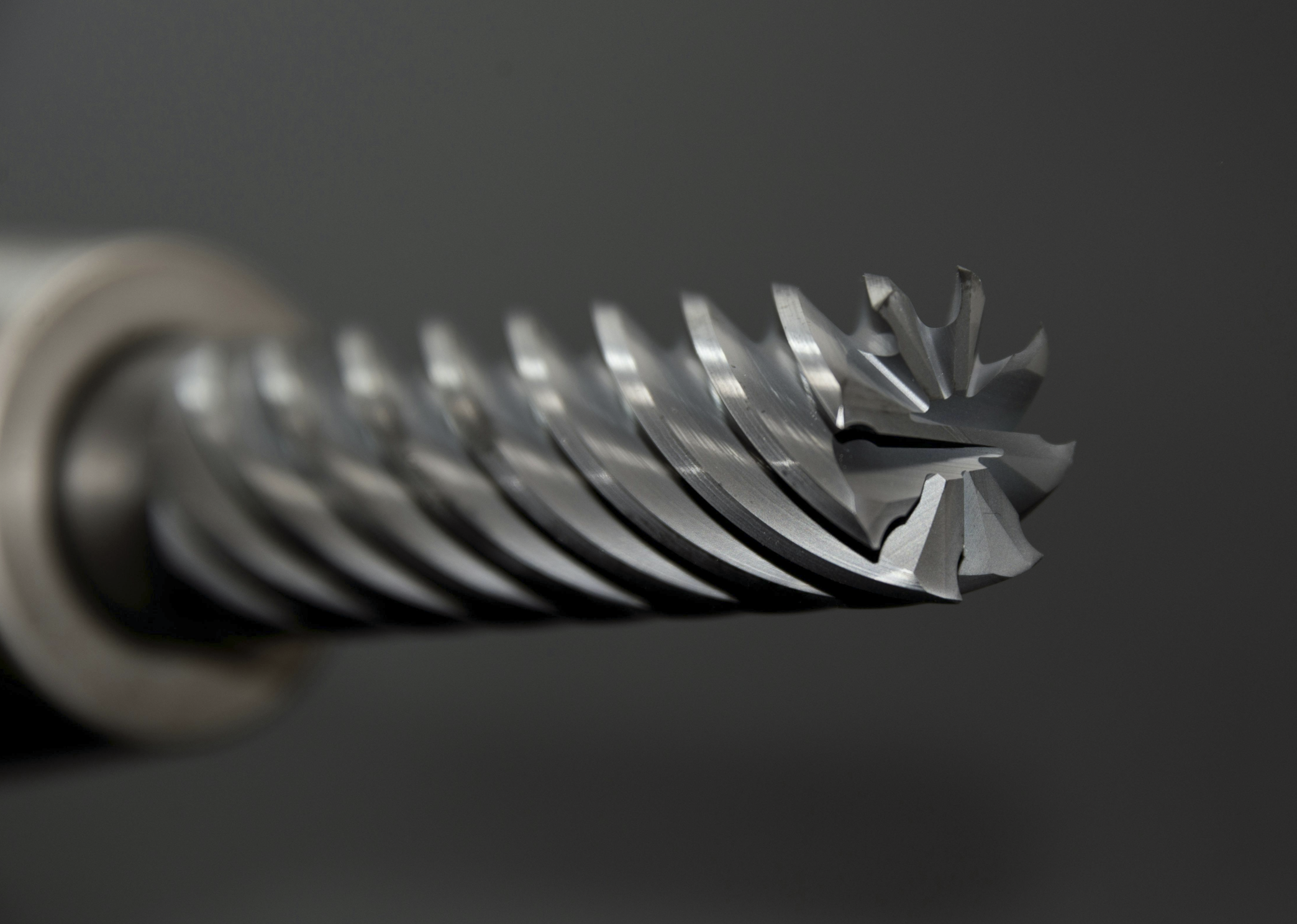
Heavy-duty cutting requires tools that can endure extreme stress, high temperatures, and continuous wear without losing precision. The material used in a cutting tool determines its strength, durability, and efficiency. From machining hardened steel to shaping composites, the right tool material ensures consistent performance and longer service life.
In this article, we’ll discuss five materials that stand out for their superior capabilities in demanding cutting environments.
High-Speed Steel for Versatility and Reliability
High-speed steel (HSS) has been a cornerstone of cutting tools for decades. It is valued for its toughness, ability to resist wear, and capacity to maintain hardness even at elevated temperatures. HSS is widely used in drills, saw blades, and milling cutters because it balances durability with affordability.
Unlike brittle materials, HSS can absorb shocks, making it suitable for interrupted cuts and applications where flexibility is essential. While it may not match the hardness of advanced composites, its versatility and reliability make it a practical choice for many industries.
Tungsten Carbide for Extreme Hardness and Longevity
For applications that demand exceptional durability, tungsten carbide is the material of choice. It is significantly harder than HSS and can maintain sharp edges under intense heat and pressure. Tungsten carbide tools are common in heavy machining, mining, and metalworking industries where precision and wear resistance are critical.
Although the upfront cost is higher, the extended lifespan and reduced need for replacements make tungsten carbide a cost-effective investment. Its ability to deliver consistent performance in high-demand environments has made it one of the most trusted materials in heavy-duty cutting. Its proven ability to balance toughness with cutting precision makes tungsten carbide an indispensable choice for industries that rely on consistent, heavy-duty performance.
Ceramic Composites for High-Speed Cutting
Ceramic tool materials are engineered for speed and precision. They excel in cutting hardened steels and alloys at high speeds, thanks to their ability to withstand extreme temperatures without losing hardness. Ceramics are also resistant to chemical wear, which makes them ideal for applications involving abrasive or reactive materials.
However, their brittleness requires stable cutting conditions and careful handling. In controlled environments, ceramic tools deliver unmatched efficiency, enabling manufacturers to achieve faster production cycles and superior surface finishes.
Cubic Boron Nitride for Precision in Hard Materials
Cubic boron nitride (CBN) is second only to diamond in hardness, making it a powerful option for cutting hardened steels, superalloys, and other tough materials. CBN tools provide excellent wear resistance and maintain sharpness over long production runs. They are particularly effective in finishing operations where precision and surface quality are paramount.
While CBN tools are costly, their ability to deliver consistent results in demanding applications justifies the investment. For industries that require accuracy and durability, CBN remains a top-tier choice.
Polycrystalline Diamond for Ultimate Cutting Performance
Polycrystalline diamond (PCD) represents the pinnacle of cutting tool materials. With unmatched hardness and wear resistance, PCD tools are used in industries that require cutting non-ferrous metals, composites, and abrasive materials. They deliver exceptional surface finishes and extended tool life, reducing downtime and increasing productivity.
Although PCD tools are not suitable for cutting ferrous metals due to chemical reactivity, they remain indispensable in aerospace, automotive, and electronics manufacturing. Their ability to combine speed, precision, and longevity makes them one of the most advanced materials available.
Conclusion
Selecting the right tool material is essential for achieving superior performance in heavy-duty cutting. High-speed steel offers versatility and affordability, while tungsten carbide provides extreme hardness and longevity. Ceramic composites excel in high-speed cutting, cubic boron nitride ensures precision in hard materials, and polycrystalline diamond delivers ultimate performance in specialized applications.
By understanding the strengths of these materials, businesses can make informed decisions that enhance productivity, reduce costs, and maintain consistent quality in demanding environments.
