

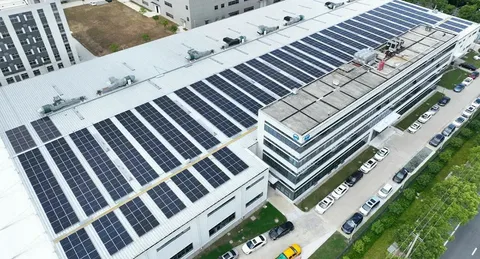
As businesses look for ways to reduce energy costs and minimize their carbon footprint, investing in solar energy has become a smart and sustainable solution. However, choosing the right system can be overwhelming. This article will serve as The Ultimate Guide to Choosing the Right Commercial Solar Systems, helping you make informed decisions for your business.
Understanding Commercial Solar Systems
Commercial solar systems are designed to meet the energy needs of businesses, warehouses, factories, and other large-scale facilities. Unlike residential solar panels, commercial systems are larger and require careful planning to ensure maximum efficiency and return on investment (ROI). Key components include solar panels, inverters, mounting systems, and energy storage solutions.
Assessing Your Energy Needs
Before selecting a solar system, it’s crucial to understand your business’s energy consumption. Conduct a thorough energy audit to determine:
- Average monthly electricity usage
- Peak energy demand periods
- Future growth projections
Knowing your energy needs will help you choose the system size that ensures optimal performance and cost savings.
Types of Commercial Solar Systems
There are several types of commercial solar systems to consider:
- Grid-Tied Systems – Connected to the utility grid, these systems allow you to sell excess energy back to the grid through net metering. Ideal for businesses with consistent energy usage.
- Off-Grid Systems – Independent of the utility grid, these systems are paired with batteries to store energy. Best for remote locations or facilities with unreliable electricity supply.
- Hybrid Systems – Combine both grid-tied and battery storage, offering flexibility and backup during power outages.
Understanding the differences will help you select a system that aligns with your business needs.
Key Factors in Choosing the Right System
When deciding on a commercial solar system, consider these factors:
- Efficiency and Panel Type – Higher efficiency panels generate more electricity in less space. Monocrystalline panels are often preferred for commercial use.
- Warranty and Lifespan – Look for long-term warranties on panels and inverters to ensure durability and reliability.
- Installation and Maintenance – Professional installation is critical for system performance. Consider ongoing maintenance costs as well.
- Financial Incentives – Take advantage of tax credits, rebates, and financing options to reduce upfront costs.
Calculating ROI
One of the most important steps in The Ultimate Guide to Choosing the Right Commercial Solar System is calculating the potential return on investment. Factors to consider include:
- Energy savings over the system’s lifespan
- Payback period for installation costs
- Incentives and tax benefits
A well-designed system can significantly reduce operating costs and provide long-term financial benefits.
Partnering with a Trusted Solar Provider
Selecting a reliable solar provider ensures a seamless experience from planning to installation. Look for companies with proven experience, certifications, and positive customer reviews. A knowledgeable provider can also help tailor the system to your specific energy requirements.
Conclusion
Investing in solar energy is a strategic move for businesses looking to save money and support sustainability. By following The Ultimate Guide to Choosing the Right Commercial Solar System, you can make informed choices that maximize efficiency, cost savings, and environmental impact.
Switching to a commercial solar system is not just an investment in your business; it’s an investment in a greener future.
