

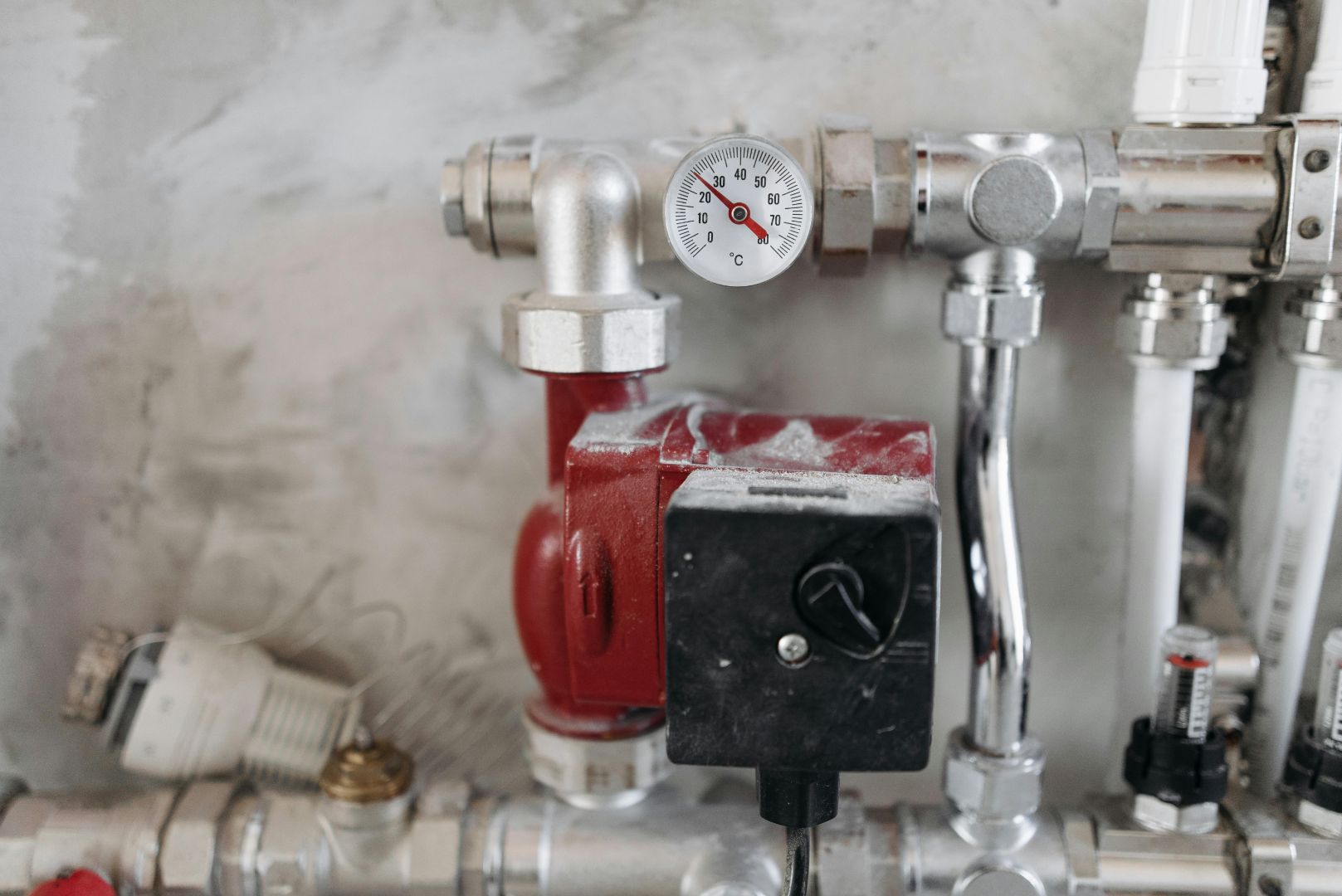
Most people only think about their boiler when it stops working. It hums in the background, tucked away in a basement or mechanical room, quietly doing its job. But when maintenance slips, that quiet work can become an expensive problem. A neglected boiler does not always fail loudly; sometimes it just slowly drains your energy budget.
Energy bills rarely jump overnight because of one dramatic issue. Instead, they creep up month after month, leaving you wondering what changed. Heating systems that are not cleaned or inspected regularly lose efficiency over time. That lost efficiency can translate into as much as 20% more in energy costs without you even realizing it.
Ignoring Routine Maintenance
Boilers rely on clean burners, proper airflow, and balanced pressure to run efficiently. When dust, soot, and debris build up inside, the system has to work harder to produce the same amount of heat. That extra effort means it burns more fuel than necessary. Over time, the added strain also increases wear on important parts.
Routine maintenance is not complicated, but it is often postponed. Many building owners assume that if the heat is still working, everything must be fine. In reality, small inefficiencies can quietly stack up. Regular inspections help catch these minor issues before they turn into major expenses.
Allowing Small Leaks to Grow
A small water leak in a boiler system might seem harmless at first. However, even a slow drip can reduce pressure and force the system to cycle more frequently. Cycling means the boiler turns on and off more often than it should, which wastes energy and shortens equipment life.
Leaks can also lead to corrosion, which is a form of rust that eats away at metal. Corrosion weakens internal components and reduces heat transfer, meaning the system cannot move heat as effectively. When heat transfer drops, fuel use rises. Fixing a leak early is far less costly than replacing damaged parts later.
Overlooking Inefficient Controls
Modern boilers often include control systems that regulate temperature and timing. These controls help prevent overheating and ensure energy is used only when needed. When they are outdated or improperly set, the boiler may run longer than necessary. That extra runtime adds up quickly on your monthly bill.
Even simple thermostat miscalibration can cause inefficiency. If a thermostat reads the temperature incorrectly, the system may continue heating a space that is already warm. That wastes fuel and creates uneven comfort throughout the building. Adjusting and updating controls can restore balance and reduce unnecessary consumption.
Delaying Professional Inspections
Some maintenance tasks require trained eyes and specialized tools. Professional technicians can measure combustion efficiency, which refers to how well fuel is burned to create heat. If combustion is incomplete, the system wastes fuel and may even produce harmful gases.
Delaying professional service often means hidden problems go undetected. What begins as a minor adjustment can evolve into a costly repair. Seeking timely service, such as expert boiler repair, helps restore efficiency before losses spiral. Investing in early attention often saves far more than it costs.
Underestimating Long-Term Impact
Energy waste does not only affect monthly utility bills. Over time, excessive fuel use increases the overall operating cost of a building. For businesses, that can cut into profit margins and limit growth. For homeowners, it can strain household budgets during peak heating seasons.
There is also the environmental impact to consider. Burning more fuel than necessary increases emissions and places additional demand on energy resources. Even modest efficiency improvements can reduce a building’s carbon footprint. Maintaining a boiler properly benefits both finances and the environment.
Conclusion
A neglected boiler rarely announces its inefficiency in obvious ways. Instead, it quietly consumes more fuel, runs longer cycles, and adds steady pressure to your energy bill. The gradual nature of the loss makes it easy to ignore until costs become significant.
Regular maintenance, timely inspections, and prompt repairs keep the system running as intended. Addressing small issues early prevents larger, more expensive consequences down the line. In the end, caring for your boiler is not just about preventing breakdowns; it is about protecting your budget and maintaining steady, reliable heat.
