

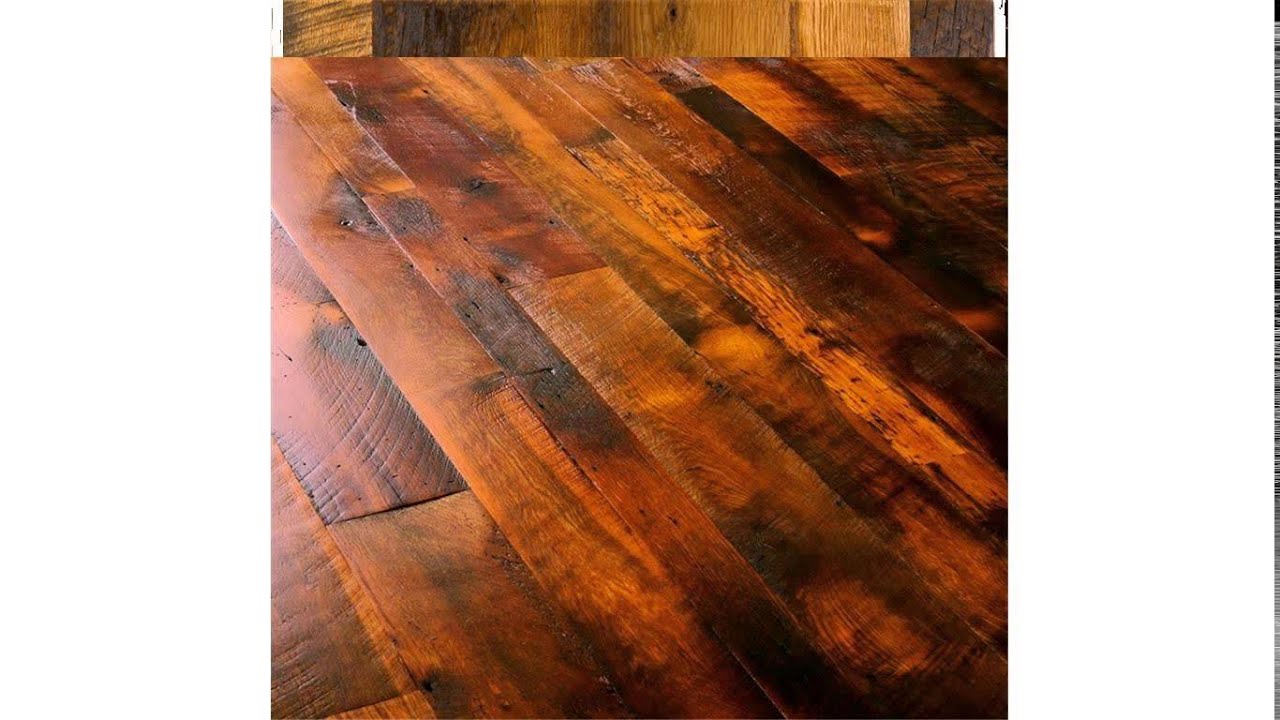
Choosing the right type of flooring for your home is an important decision. Among the most popular choices are solid and engineered wood flooring. Both offer natural beauty and durability, but they have different characteristics that make them suitable for different spaces and lifestyles. In this article, we’ll explore the key differences between these two options to help you decide which is best for you.
What is Solid Wood Flooring?
Solid wood flooring is made from a single piece of natural hardwood. Each plank is cut from a solid block of wood, giving it a classic and authentic appearance.
Advantages of Solid Wood Flooring
- Longevity: Can last for decades with proper care.
- Refinishing: Can be sanded and refinished multiple times.
- Natural Beauty: Unique grain patterns and color variations in every plank.
Considerations
- Cost: Generally more expensive than engineered wood.
- Moisture Sensitivity: Susceptible to warping or swelling in humid environments.
- Installation: Typically requires professional installation and may need a subfloor.
What is Engineered Wood Flooring?
Engineered wood flooring consists of a top layer of real hardwood veneer over multiple layers of plywood or high-density fiberboard. This layered construction makes it more stable than solid wood.
Advantages of Engineered Wood Flooring
- Moisture Resistance: Performs better in areas with high humidity, such as basements or kitchens.
- Installation Flexibility: Can be installed over concrete or radiant heating systems.
- Cost-Effective: Usually less expensive than solid wood while maintaining a similar look.
Considerations
- Refinishing Limitations: Can only be sanded a few times depending on the thickness of the veneer.
- Variety: Limited by the thickness of the top hardwood layer.
Solid vs. Engineered Wood Flooring: Key Differences
| Feature | Solid Wood Flooring | Engineered Wood Flooring |
| Construction | Single solid plank | Hardwood veneer + plywood |
| Moisture Resistance | Low | High |
| Lifespan | Long | Moderate to long |
| Installation | Nail-down or glue | Click-lock or glue |
| Refinishing Capability | Multiple times | Limited |
Which Option is Right for You?
When deciding between solid vs. engineered wood flooring, consider the environment of your home and your lifestyle.
- Choose Solid Wood if you want a timeless, durable floor for dry areas like living rooms and bedrooms, and you are willing to invest in long-term maintenance.
- Choose Engineered Wood if you need a more versatile solution for basements, kitchens, or areas with fluctuating humidity, and prefer easier installation.
Ultimately, both options bring warmth, elegance, and value to your home. Understanding the differences ensures that your flooring choice aligns with your home’s needs and your personal preferences.
