

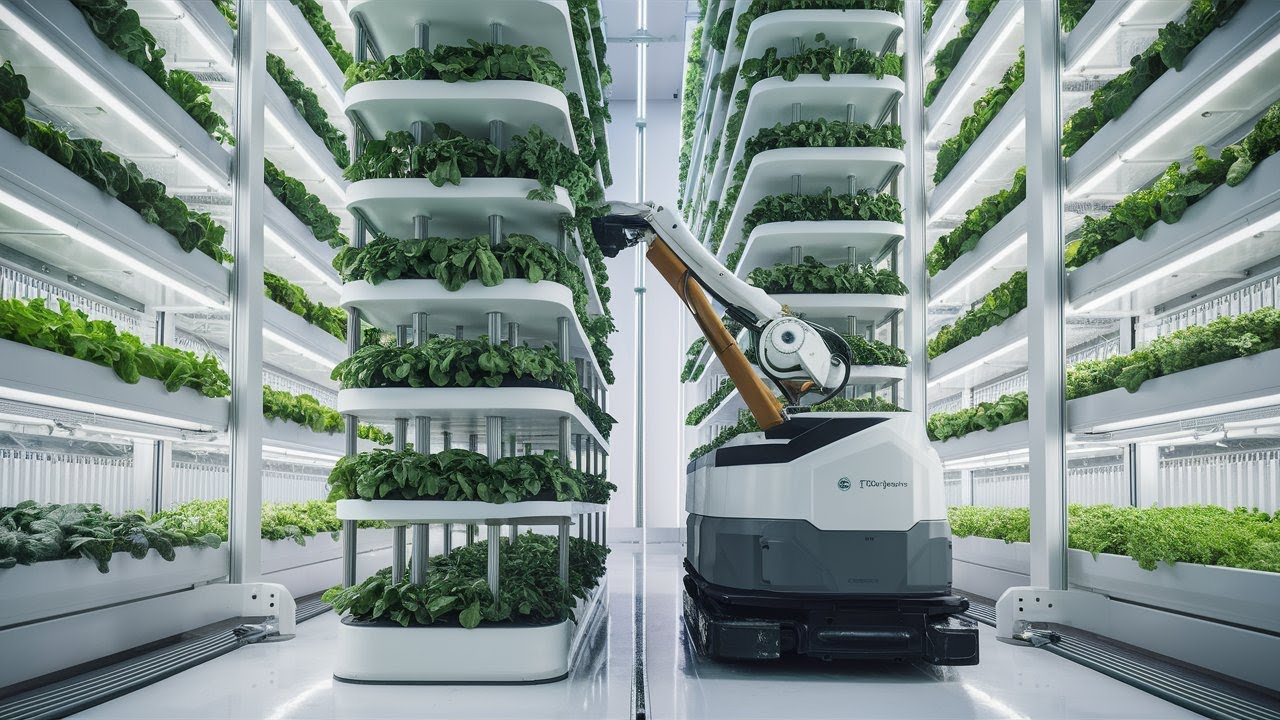
The agricultural sector is undergoing a transformative shift thanks to technology-driven innovations. Smart Agriculture Solutions for Sustainable Farming Practices are at the forefront of this change, offering farmers ways to increase productivity while protecting the environment. These solutions integrate modern technology with traditional farming methods to ensure both economic and ecological sustainability.
What Are Smart Agriculture Solutions?
Smart agriculture solutions involve the use of advanced technologies such as IoT (Internet of Things), artificial intelligence (AI), drones, and precision farming tools to manage farms more efficiently. These systems monitor soil health, crop growth, and weather conditions in real time, allowing farmers to make informed decisions. By using data-driven insights, farmers can optimize resource use, reduce waste, and enhance crop yields.
Key Technologies in Smart Agriculture
Precision Farming
Precision farming uses GPS and sensor-based technologies to deliver the right amount of water, fertilizer, and pesticides exactly where they are needed. This reduces the overuse of resources and minimizes environmental impact, making it an essential component of smart agriculture solutions for sustainable farming practices.
Drones and Aerial Imaging
Drones provide a bird’s-eye view of farmland, allowing farmers to monitor crop health, detect diseases early, and assess irrigation needs. This technology helps reduce crop losses and ensures timely interventions.
IoT and Smart Sensors
Smart sensors measure soil moisture, temperature, and nutrient levels in real time. These sensors enable automated irrigation systems that use water efficiently, contributing significantly to sustainability.
AI and Data Analytics
AI-powered platforms analyze vast amounts of agricultural data to predict crop yields, identify potential threats, and recommend best practices. This allows farmers to plan ahead and make decisions that improve both productivity and sustainability.
Benefits of Implementing Smart Agriculture Solutions
- Enhanced Resource Efficiency: Farmers can use water, fertilizers, and pesticides more efficiently, reducing costs and environmental impact.
- Higher Crop Yields: Precision agriculture techniques help optimize growing conditions, leading to healthier and more abundant crops.
- Sustainability: By reducing waste and conserving natural resources, these solutions align with the principles of sustainable farming.
- Risk Management: Real-time monitoring allows farmers to anticipate challenges like pest infestations or adverse weather, reducing losses.
Challenges and the Way Forward
While the benefits are clear, challenges such as high initial costs, lack of technical knowledge, and connectivity issues in rural areas can slow adoption. Governments, private companies, and agricultural organizations must collaborate to provide training, subsidies, and infrastructure to ensure wider adoption of smart agriculture solutions for sustainable farming practices.
Conclusion
The integration of technology in farming is not just a trend—it is a necessity for future food security. Smart Agriculture Solutions for Sustainable Farming Practices offer a roadmap for achieving higher efficiency, sustainability, and profitability. By embracing these innovations, farmers can cultivate healthier crops, conserve natural resources, and contribute to a more sustainable agricultural ecosystem.
