

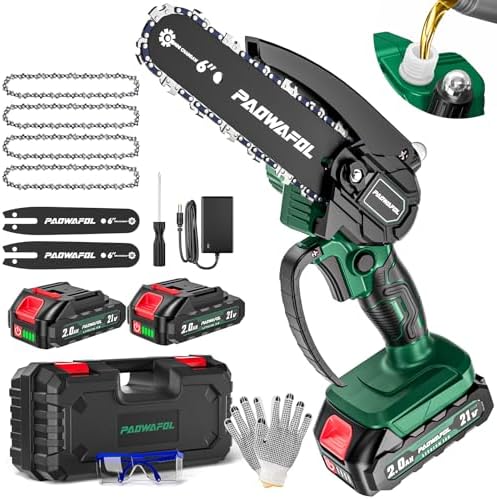
Battery-powered chainsaws have become increasingly popular due to their portability, low maintenance, and eco-friendly nature. However, understanding their performance can be confusing if you don’t know how to read their power ratings. In this article, we’ll break down Battery Chainsaw Power Ratings Explained: Volts, Amps, and More so you can make an informed decision before purchasing one.
Understanding Battery Voltage
The first number you’ll see on a battery chainsaw is the voltage (V). Voltage represents the amount of electrical pressure the battery can provide to the chainsaw motor. Higher voltage generally translates to more cutting power and the ability to tackle thicker wood. For example:
- 18V – Suitable for light-duty tasks like trimming branches or cutting small logs.
- 36V – Ideal for medium-duty tasks such as cutting firewood or pruning.
- 56V+ – Best for heavy-duty work like felling larger trees or prolonged cutting sessions.
While voltage indicates potential power, it doesn’t tell the whole story about how long the chainsaw can run.
Amperage and Its Role in Performance
Amperage (Ah or amps) measures the battery’s capacity, or how much current it can deliver over time. Essentially, higher amps mean longer run time. For example, a 4.0 Ah battery will last longer than a 2.0 Ah battery under the same load.
When looking at Battery Chainsaw Power Ratings Explained: Volts, Amps, and More, it’s crucial to consider both volts and amps together. A high-voltage battery with low amperage may have strong bursts of power but could run out of energy quickly.
Wattage: The True Indicator of Power
Another key metric is wattage (W), which combines volts and amps (W = V × A). Wattage gives you a better idea of the chainsaw’s actual cutting power. For example, a 36V chainsaw with a 4.0 Ah battery has a watt-hour rating of 144 Wh, helping you compare performance across different brands and models.
Other Factors That Affect Chainsaw Performance
Beyond volts, amps, and wattage, several other factors can influence how well a battery chainsaw performs:
- Chain speed – Faster chain speeds cut wood more efficiently.
- Bar length – Longer bars can cut larger pieces of wood but may require more power.
- Motor efficiency – Brushless motors provide better power and longer battery life.
Considering all these factors alongside the power ratings ensures you pick a chainsaw that meets your needs.
Conclusion
Understanding Battery Chainsaw Power Ratings Explained: Volts, Amps, and More is essential for choosing the right tool. Voltage determines potential power, amperage affects run time, and wattage gives a combined view of performance. By considering these metrics along with chain speed, bar length, and motor type, you can select a battery chainsaw that’s both efficient and reliable for your cutting tasks.
