

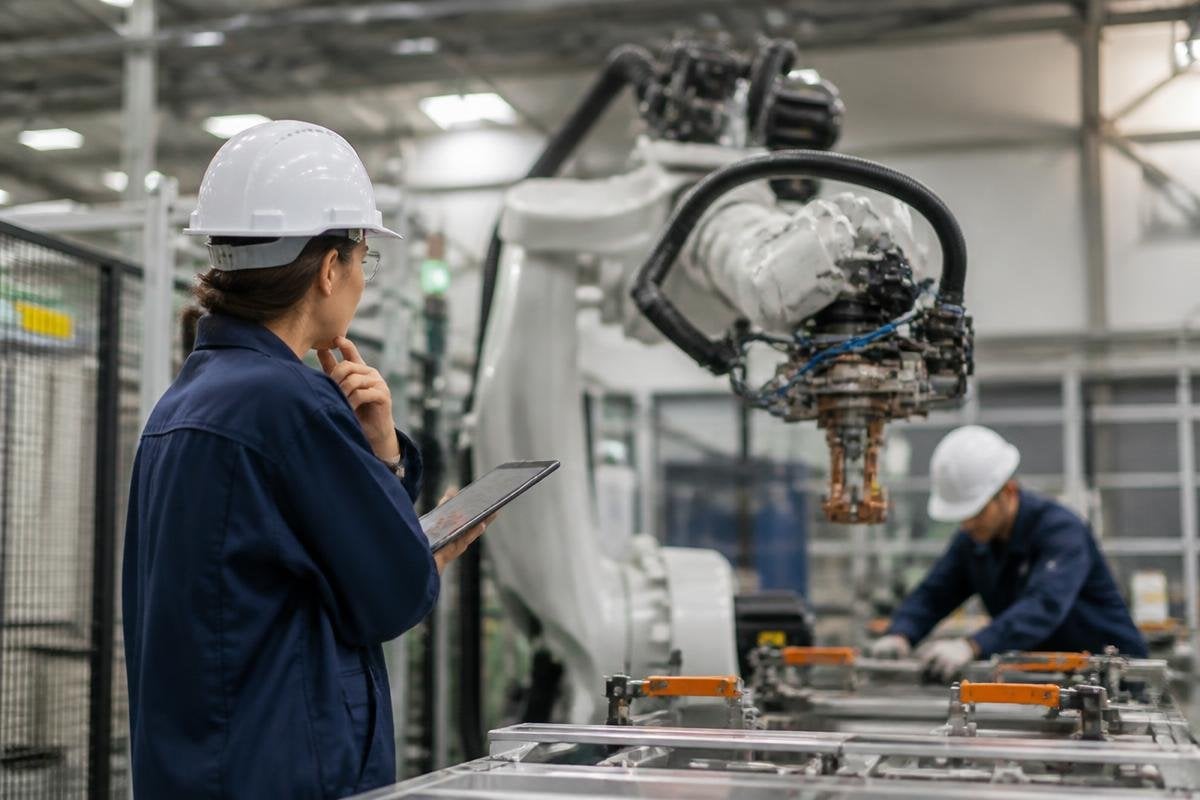
A robot can assign a task, measure a worker’s pace, and stop a production line. Labor law still needs a clear human decision-maker when those systems cause harm or change a job.
This article looks at the rules lawmakers and companies need to settle before robotic workplaces become harder to govern.
- A named person should remain responsible for automated work decisions
- Workers need notice when software tracks pace, location, or errors
- Safety rules must cover the robot, its software, and the people near it
Responsibility must stay with a person
A workplace may use software to set routes, rank tasks, or flag missed targets. The software can produce the decision, but it cannot answer a worker’s appeal or explain why a shift changed.
A labor rule for robotic workplaces should name the person who owns each decision. That person should be able to review the system’s input, correct a bad result, and explain the outcome in plain words.
This matters when a worker loses hours after a sensor records a delay. The record may be wrong, the task may have changed, or the robot may have stopped. A rule that treats the system’s output as final leaves the worker with no practical way to respond.
The same rule should require a record of major automated decisions. That record could include the system version, the time of the decision, the data used, and the person who approved the result.
Without those details, a dispute becomes a memory contest.
Safety rules must cover the full system
A robotic workplace has more parts than the robot itself. A safe labor rule needs to cover the machine, its sensors, its control software, the work area, and the instructions given to staff.
That makes responsibility easier to assign after an injury or near miss. If a robot enters a restricted zone, investigators need to know whether the cause was a faulty sensor, a changed map, a missed software update, or a training gap.
Companies should keep a plain record of safety changes. The record should show who changed the robot’s task, when the change happened, what test followed, and which workers received new instructions.
A worker also needs a clear stop process. They should know who can pause the system, what happens after a stop, and whether raising a safety concern affects their pay or job status. A button on the robot is useful, but a workplace rule must explain the human process around it.
Monitoring needs limits
Robotic systems can collect detailed work data. Depending on the setup, that may include task time, position, error rates, video, voice data, or records of manual overrides.
Labor law should state what a company may collect, why it may collect it, and how long it may keep it. Workers should see the data used to judge their work, with a way to correct errors.
The rule should also separate safety records from performance scores. A worker who pauses a robot to prevent an accident should not receive a lower score for that pause. A system that treats every delay as poor work will push people toward unsafe choices.
A safety rule can age when a software update changes how a robot assigns work. Reporting at Robot24 can give lawmakers and workers a named machine and dated workplace event to examine before they write a new rule. Workers also need a voice when those systems change.
Workers need a voice in system changes
A new robot can alter pace, training, staffing, and the number of people needed for a task. Workers need notice before those changes take effect, along with a way to raise concerns through a person who has authority to respond.
Collective bargaining rules may need clearer language for automated scheduling, performance scoring, job cuts, and new safety risks. A worker representative should be able to inspect the system rules that affect pay or discipline, subject to limits that protect genuine trade secrets.
Training also needs a place in the rule.
Someone moving from manual handling to robot supervision may need instruction on safe distances, fault recovery, emergency stops, and basic system messages. Companies should record that training and check whether it worked on the floor.
I’d support rules that give workers a right to explanation, correction, and human review before an automated decision affects pay or dismissal.
A practical test for companies
Lawmakers may take time to settle new rules. Companies can still check whether their current robot program leaves workers without a fair process.
- Name the owner: assign a person to each automated decision that affects work
- Show the record: keep the inputs, system version, time, and approval behind major decisions
- Protect the stop: let workers pause unsafe activity without automatic punishment
- Limit the data: collect only what the stated work or safety need calls for
- Check the training: test whether workers can handle faults, stops, and changed tasks
These checks also give lawmakers a usable starting point. A labor rule should fit the way a robot is installed, updated, and used, rather than treating automation as a single type of workplace.
The next legal test is whether a named person can explain a robot’s decision, fix the record, and answer for the result.
