

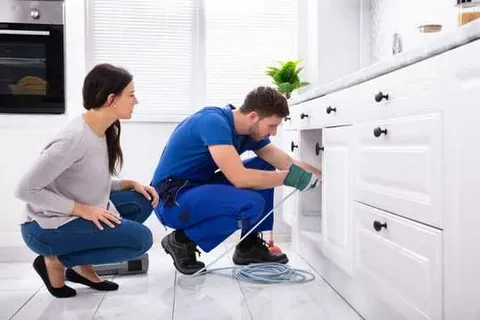
Clogged or slow drains are more than just a minor inconvenience—they can be the first signs of a more serious plumbing problem. Many homeowners try to handle drain issues with chemical cleaners or DIY solutions, but these approaches often only provide temporary relief and may even cause long-term damage. Understanding when professional drain cleaning is necessary can save time, money, and stress while keeping your home’s plumbing system in top condition.
Recognizing the Signs of a Problem
Drain issues rarely appear out of nowhere. Slow-draining sinks, gurgling sounds from toilets, or unpleasant odors coming from drains are often early warning signs. While occasional minor blockages can be managed with home remedies, persistent symptoms indicate that debris or buildup has accumulated deeper within the pipes.
Professional plumbers can diagnose the root cause of these problems. Hair, soap residue, grease, and food particles can combine to form stubborn clogs that simple plunging cannot resolve. By identifying the issue early, homeowners can prevent more severe complications, such as pipe corrosion, leaks, or extensive backups.
The Risks of DIY Solutions
Many people resort to chemical drain cleaners or makeshift tools when faced with a clogged drain. While these methods might work temporarily, they carry several risks. Chemical cleaners can erode pipes, especially older metal plumbing, and may not fully clear the blockage. Over time, repeated use can weaken the plumbing system, leading to costly repairs.
DIY tools like manual snakes or improvised objects can push clogs further into the pipes or even cause physical damage. When the blockage persists or worsens, the situation often requires professional intervention, which could have been avoided with earlier expert assistance.
Professional Drain Cleaning Techniques
Professional drain cleaning goes beyond temporary fixes. Licensed plumbers use specialized equipment, such as motorized drain snakes, hydro-jetting tools, and inspection cameras, to clear blockages and remove buildup from pipes effectively. These methods reach deeper and clean more thoroughly than standard home solutions, addressing the underlying cause rather than just the symptom.
Hydro-jetting, for example, uses high-pressure water to flush away debris and grease, restoring proper flow without damaging the pipes. Video inspection tools allow plumbers to pinpoint the exact location and nature of the clog, reducing guesswork and unnecessary digging or disassembly.
Preventing Future Problems
Regular professional drain cleaning can prevent recurring issues. Over time, even well-maintained plumbing can accumulate buildup from daily use. Grease from kitchen sinks, hair from bathrooms, and minerals from hard water contribute to gradual narrowing of pipes. Professional cleaning removes this buildup before it becomes a significant obstruction.
Routine maintenance also helps identify other potential problems early. A plumber can detect pipe corrosion, root intrusions, or structural issues that could lead to serious damage if left untreated. By addressing these concerns proactively, homeowners save money and avoid emergency plumbing crises.
Health and Hygiene Considerations
Clogged or slow drains can create hygiene concerns. Standing water, sewage backups, or persistent moisture in pipes can promote mold growth and bacteria accumulation, which may pose health risks for family members. Professional drain cleaning ensures that pipes remain free-flowing and sanitary, reducing the likelihood of harmful contamination.
In addition, professional technicians follow proper safety protocols when handling waste and cleaning chemicals, protecting both themselves and your household from exposure to harmful substances.
Ideal Situations for Professional Drain Cleaning
Certain scenarios clearly indicate the need for professional services. Recurrent slow drains despite DIY attempts, frequent clogs in multiple areas of the home, foul odors that persist after cleaning, or unusual gurgling sounds are all signs that expert intervention is required. Older homes, in particular, may benefit from professional inspections and cleaning, as aging pipes are more prone to buildup and damage.
Even preventive drain cleaning can be worthwhile in homes with heavy usage or large families. Scheduling regular maintenance helps maintain smooth water flow, reduces the risk of emergency plumbing, and prolongs the lifespan of the system.
The Cost-Effectiveness of Professional Service
While some homeowners hesitate to call a professional due to cost, investing in expert drain cleaning often saves money in the long run. Avoiding emergency repairs, pipe replacement, and damage to flooring or cabinetry can offset the initial expense. Moreover, professional cleaning restores efficiency to the plumbing system, reducing water waste and lowering utility bills.
By addressing problems thoroughly and preventing recurrence, professional services deliver both financial and practical benefits that DIY solutions rarely achieve.
Conclusion
Professional drain cleaning is not just a response to emergencies—it is a proactive measure that ensures the health, efficiency, and longevity of a home’s plumbing system. Recognizing early warning signs, understanding the risks of DIY methods, and relying on trained technicians can prevent costly damage and protect both property and health. Whether for recurring clogs, preventative maintenance, or complex plumbing issues, choosing professionals for drain cleaning guarantees a thorough, safe, and lasting solution. Homeowners who invest in professional expertise gain peace of mind, functional plumbing, and the confidence that their drains will operate smoothly for years to come.
